
Menopause Skin Changes: Why Your Face Seemed to Change Almost Overnight
Updated · lumivellegummies.com editors · Checked against the public health sources listed at the end
The short answer. Menopause speeds up skin aging because estrogen helps skin keep its collagen and its moisture. When estrogen falls, collagen drops fast: the American Academy of Dermatology says skin loses about 30% of its collagen in the first five years of menopause, then keeps declining more slowly. That is why so many women say their face changed almost overnight.
The change is real, it is not your fault, and there is a lot you can do to care for the skin you have. Here is what happens, change by change, and what dermatologists suggest.
What estrogen does for skin
Most women know estrogen as the hormone of the menstrual cycle. Fewer know how much it does for the skin. Skin cells have estrogen receptors, and estrogen helps the skin in three ways that matter for how a face looks after 50:
- Collagen. Estrogen helps keep the collagen that gives skin its thickness and firmness.
- Moisture. It helps the skin keep the molecules that hold water, so skin stays plump and comfortable.
- Oil and barrier. It supports the oil and the outer barrier that keep moisture in.
When estrogen drops during perimenopause and menopause, all three weaken at once. A review in Dermatoendocrinology describes it plainly: type I and III skin collagen are thought to fall by as much as 30% in the first five years after menopause, followed by a slower loss of about 2% a year. A 2019 review in the International Journal of Women's Dermatology reports the same pattern.
The six changes most women notice
1. A softer jawline and neck
With less collagen support underneath, the contour along the jaw and the skin of the neck lose some of their firmness. Many women first notice it in photos taken from below. More in sagging jawline and neck.
2. Dryness and tightness
Less oil and less water-holding means skin that feels tight after washing and soaks up moisturizer within an hour. More in dry, dull skin after 50.
3. Thinner, more fragile skin
MedlinePlus notes that the outer layer thins with age. Thinner skin bruises more easily and can look more translucent.
4. Lines that stay
Smile lines and lines around the mouth used to fade when your face relaxed. With less support underneath, they stay long after the smile is gone.
5. Makeup that behaves differently
Foundation that once smoothed the skin now settles into texture and dry patches. More in makeup settling into fine lines.
6. Sensitivity, flushing or breakouts
Some women go through a phase of redness, hot flashes that leave the face flushed, or adult breakouts as hormones shift.
Why it feels sudden
Skin aging before menopause is slow and steady. Then, in a window of a few years, the collagen curve bends down sharply. That is why so many women describe the same moment: one day you look at a photo and do not recognize the woman in it, even though you still feel exactly like her inside.
Understanding the timeline helps in two ways. First, it takes the blame off: this is biology, not a failure of your routine. Second, it shows where effort pays off. The skin you have now is worth protecting, because the years right after menopause are when the most collagen is lost.
Where LumiVelle Gummies fit. LumiVelle is a skin renewal gummy supplement: rosy-red, heart-shaped gummies, 30 to a bottle, taken as the label directs. It sits next to your sunscreen and moisturizer, not in place of them. See the three kits, from $33 a bottle.
Perimenopause, menopause and after: what changes when
Skin does not change on a single day. It follows the hormonal shifts of each stage, which is why your skin at 48 and your skin at 58 can need different things.
| Stage | What many women notice | What helps most |
|---|---|---|
| Perimenopause (often mid-40s) | Hormones swing; breakouts, sensitivity, the first dryness | Gentle cleanser, non-clogging moisturizer, daily sunscreen |
| First years after the last period | The fastest collagen loss; jawline, lines and dryness change quickly | Moisture, sunscreen, retinol or peptides, consistent habits |
| Later postmenopause | Slower, steady change; thinner, more fragile skin | Richer creams, gentleness, regular skin checks |
Hot flashes and your skin
Hot flashes can leave the face red and damp several times a day. Frequent flushing, sweat and wiping all dry the skin further. A few habits help: keep a gentle, fragrance-free mist or cool damp cloth nearby, press rather than rub when you dab your face, and reapply moisturizer afterwards. If flushing lingers or comes with small visible vessels or bumps, see a dermatologist, since conditions such as rosacea can look similar.
Sleep, stress and skin
Night sweats and broken sleep are common in menopause, and tired skin looks duller and puffier. A cooler bedroom, breathable cotton bedding and a regular bedtime help both your sleep and how your face looks in the morning. If sleep problems are severe, talk to your doctor; there are treatments for the symptoms behind them.
What dermatologists suggest
The American Academy of Dermatology's advice for skin in menopause is simple and worth following before anything else:
- Wash with a gentle cleanser. Skip bar soaps and foaming washes that strip oil.
- Moisturize, more than before. Look for hyaluronic acid or glycerin, and apply to damp skin morning and night.
- Use a product with retinol or peptides. The AAD names these for the collagen-related changes of menopause. Retinoids go on at night and make daytime sunscreen essential.
- Wear broad-spectrum sunscreen with SPF 30 or higher every day. Sun protection keeps the collagen you have from breaking down faster.
- See a dermatologist for flushing, breakouts or changes that worry you, and talk with your doctor if you are considering hormone therapy; that is a medical decision with its own benefits and risks.
The full daily plan is in our skin care routine for women over 50.
Care from the inside
Creams care for the surface; the change of menopause starts underneath. That is why more women in their 50s and 60s add a daily skin supplement to the routine. It is worth being honest about the evidence: a Cleveland Clinic dermatologist notes there is not yet enough controlled research to prove that consuming collagen helps postmenopausal skin, while a 2019 systematic review of 11 randomized trials found early results for oral collagen promising for elasticity and hydration. Promising, not proven.
LumiVelle Gummies were made for women in exactly this stage of life. The makers describe what happens after menopause as fading Type III collagen support, "the collagen of youth", and built a 3-month gummy ritual around it. The label says the gummies support natural collagen production, promote a smooth, radiant appearance and provide antioxidant cellular support, and the Supplement Facts panel lists vitamins A, C, D, E, B6 and B12, folate, biotin, pantothenic acid, iodine and zinc. Vitamin C is one the body needs to make collagen, according to the NIH Office of Dietary Supplements.
A gummy does not replace sunscreen, moisturizer or medical care. It adds one easy daily step for the part of the change that creams cannot reach. To understand that part better, read collagen loss after 50.
Talk to your doctor before taking LumiVelle if you take medication, including hormone therapy, or have a medical condition.
LumiVelle Gummies: today's kits
Three kits, one secure checkout. The 3-bottle kit brings each bottle to $33, shipping is free on every kit, and each one carries the same 60-day money-back guarantee.
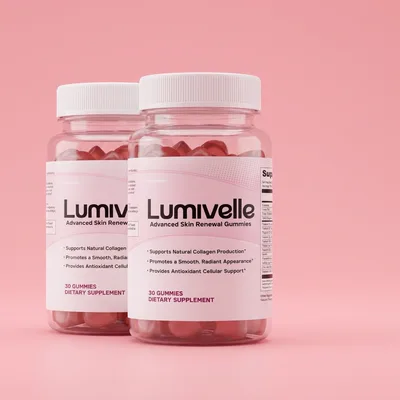
$89 total · 70% off
Free shipping
Choose 2 Bottles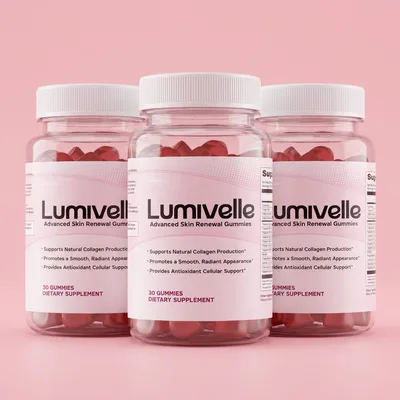
$99 total · 78% off
Free shipping
Get 3 Bottles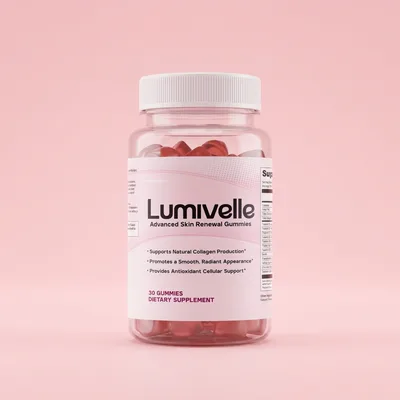
$79 total · 47% off
Free shipping
Choose 1 BottleSecure checkout · 60-day money-back guarantee
Your statement shows BEMONY*LUMIVELLE. Not sold on Amazon, Walmart or eBay, where the guarantee does not apply.
Common questions
Why does skin age faster after menopause?
Estrogen helps the skin hold moisture and keep its collagen. When estrogen falls, the skin becomes thinner and drier, and collagen drops quickly: the American Academy of Dermatology says skin loses about 30% of its collagen in the first five years of menopause.
Does skin keep losing collagen after the first five years?
Yes, but more slowly. Reviews of the research describe a loss of roughly 2% a year in the years after that first sharp drop.
What are the most common skin changes in menopause?
Dryness, thinner skin, sagging along the jawline and neck, deeper lines, and in some women more sensitivity, flushing or breakouts.
What do dermatologists recommend for menopausal skin?
A gentle cleanser, a moisturizer with hyaluronic acid or glycerin, daily broad-spectrum sunscreen with SPF 30 or higher, and a product with retinol or peptides. Hormone therapy is a separate medical decision to discuss with your doctor.
Can a supplement help skin after menopause?
A supplement is a support, not a treatment. Early research on oral collagen is promising but not conclusive for postmenopausal skin. LumiVelle Gummies were made for women in this stage of life; the label says they support natural collagen production and promote a smooth, radiant appearance.
Is it too late to help my skin years after menopause?
No. Moisture, sun protection and gentle care help skin at any age, and protecting the collagen you have still matters.
Sources
- American Academy of Dermatology: Caring for your skin in menopause
- Thornton MJ. Estrogens and aging skin. Dermatoendocrinology, 2013 (PMC)
- Rzepecki AK et al. Estrogen-deficient skin: the role of topical therapy. Int J Womens Dermatol, 2019 (PMC)
- Cleveland Clinic: Here's How Menopause Affects Your Skin and Hair
- MedlinePlus: Aging changes in skin
- Choi FD et al. Oral Collagen Supplementation: A Systematic Review of Dermatological Applications. J Drugs Dermatol, 2019 (PubMed)
- NIH Office of Dietary Supplements: Vitamin C fact sheet for consumers
These sources describe skin and aging in general. They do not review LumiVelle.